
Maybe you’ve noticed your child squinting in the photos you snap at school events or leaning closer to the TV than they used to. Myopia, also known as nearsightedness, is becoming more and more common in school-age kids, and many parents are left wondering how they can protect their child’s vision.
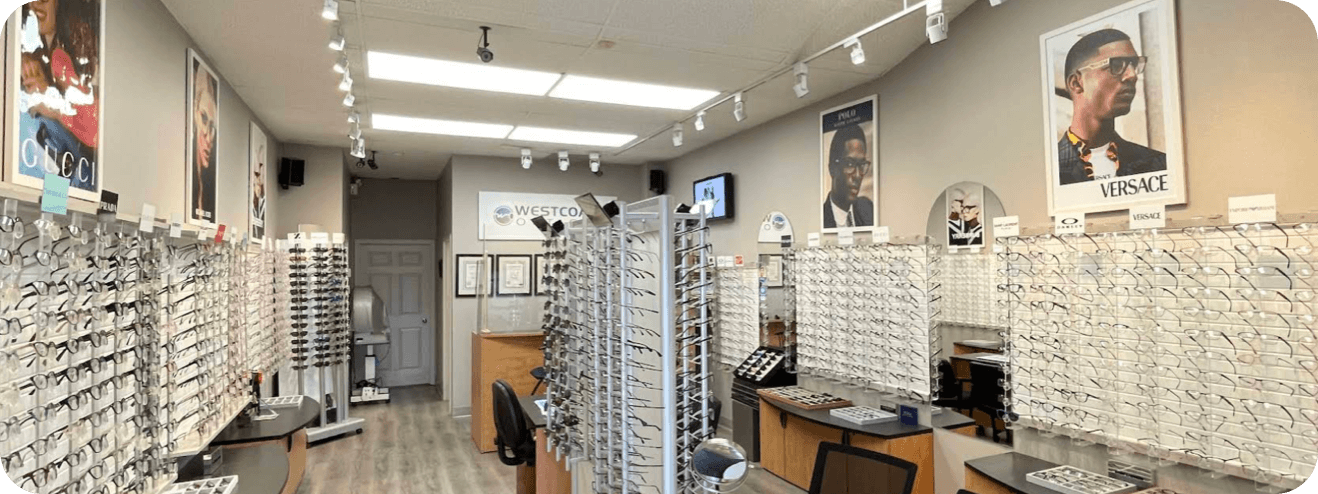
At West Coast Optical, we work with families across Surrey to help monitor and manage children’s vision at every stage of their development. Our children’s eye exam service is designed to catch changes early, so you always have a clear picture of how your child’s eyes are doing.
Getting your child outside for around 90 minutes of natural light each day can help slow myopia progression, though this works best alongside regular children’s eye exams to catch and monitor any changes early.
What Myopia Is & Why It Matters for Kids
Myopia happens when the eye grows slightly too long, making far-away objects appear blurry while close-up objects stay clear. Myopia typically shows up in the school years, and it tends to progress fairly quickly as kids grow. The earlier it’s caught, the more options there are to help manage it.
In recent years, rates of myopia among children have been climbing steadily. One contributing factor seems to be how much time kids spend outdoors.
The Link Between Outdoor Time & Myopia
Why Natural Light Plays a Role
Unlike indoor lighting, bright natural light helps regulate how the eye develops and grows. When kids spend time outside, their eyes also get plenty of practice focusing on objects at various distances. That kind of varied, long-distance focus gives children’s eyes a break from the close-up work that fills most of the school day.
Conversely, screens and books are close-up tasks that keep the eyes locked in at short distances for long stretches of time, which may contribute to faster myopia progression in some children.
Research supports the connection between outdoor light exposure and reduced myopia risk, with bright light appearing to be a key protective factor.
How Much Time Outside Is Recommended
Aiming for roughly 90 minutes of outdoor time each day is reasonable. Consistency matters more than cramming everything into the weekend. Short, regular doses of natural light throughout the week are what seem to make a difference for eye development over time.
UV Protection & Eye Safety Outdoors
Risks of Unprotected Sun Exposure
While outdoor time is good for developing eyes, UV rays are worth taking seriously. Children’s eyes are still developing, which means they’re more sensitive to UV damage than adult eyes. Prolonged, unprotected sun exposure over the years has been linked to long-term eye health concerns that show up much later in life. UV light from the sun can contribute to conditions like cataracts over time, making early protection habits worthwhile.
The goal isn’t to keep kids in the shade—it’s to make sure they’re protected while they’re out there soaking up those benefits.
Smart Sun Protection for Kids
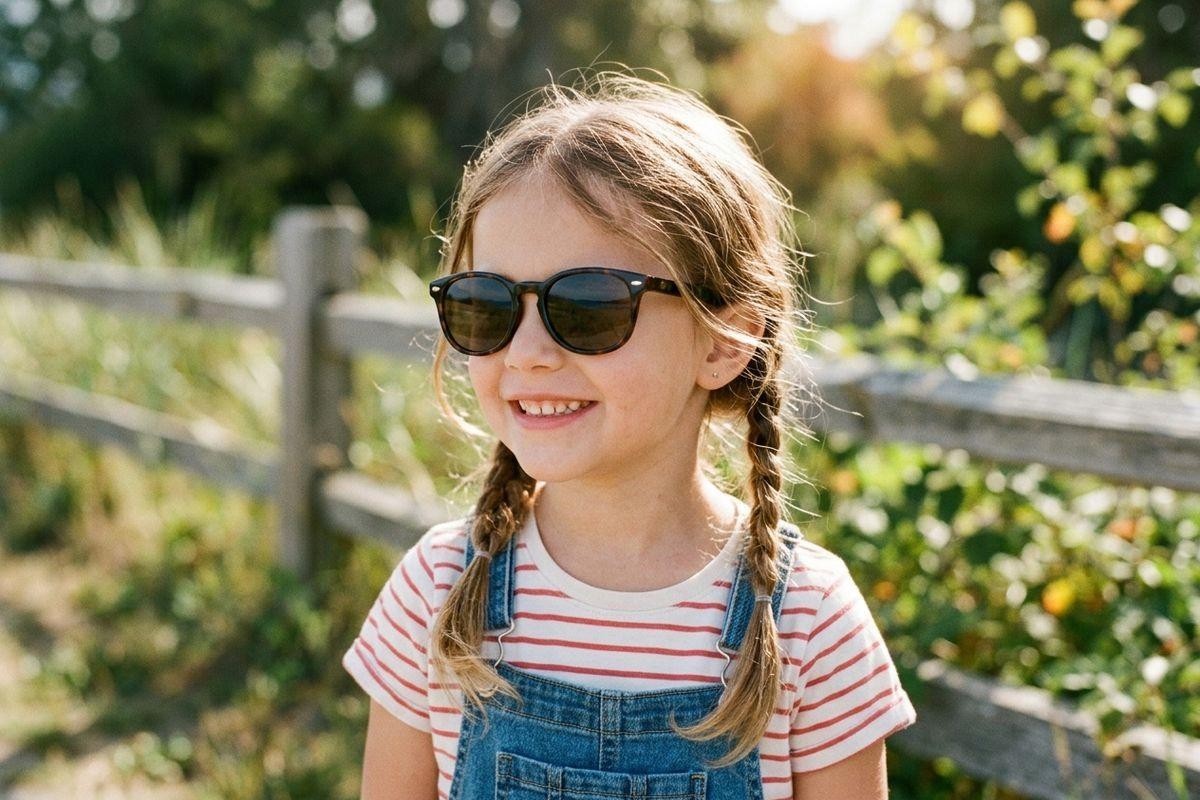
UV-blocking sunglasses are one of the most straightforward tools for protecting young eyes. Kids who wear quality sunglasses can still get all the outdoor time they need—they’re just doing it more safely. At West Coast Optical, we carry sunglasses with UV protection in Surrey for children that actually stay on and hold up to active play. If you’re unsure what to look for on the label, this guide to polarized vs. UV protection in sunglasses breaks down the difference clearly. Look for:
- Sunglasses that block 100% of UVA and UVB rays
- Wide-brimmed hats add an extra layer of defence on sunny days
- Wraparound styles offer better coverage for active kids
Signs Your Child’s Vision May Need Attention
Kids don’t always realize that their vision is changing. Instead, they often assume everyone sees the way they do. That’s why it helps to know what to watch for.
Some signs that your child’s vision may need a closer look include:
- Squinting at the board, TV, or screen
- Sitting closer to the television than usual
- Frequent headaches after reading or close-up work
- Rubbing their eyes often, especially after reading
- Losing their place while reading or avoiding it altogether
Any of these patterns showing up regularly is a good reason to book an eye exam rather than wait for the next scheduled one. You can also learn what to expect at a pediatric eye exam, so your child knows what’s coming and feels comfortable walking in.
When to Book a Children’s Eye Exam
Recommended Age Milestones
Eye exams for children should start earlier than most parents expect. The recommended schedule gives optometrists a chance to catch issues at each stage of a child’s development:
- First exam around 6–9 months of age
- Again between ages 2–5
- Yearly during the school years
Yearly exams once kids are school-age make it much easier to spot changes in prescription or eye health before they affect learning or daily life.
What to Expect at a Family Optometrist Visit
Eye exams at West Coast Optical are designed to be a calm, friendly experience, not something kids need to dread. Our team checks their vision clarity, eye health, and how their eyes are developing together, plus we also leave room for parent questions, so that you can understand how your child’s vision is developing.
As your family optometrist in Surrey, we’re here to walk you through our findings in plain language and talk through any next steps together. If you’d like to book a children’s eye exam or have questions about myopia and outdoor habits, contact us at West Coast Optical.
Our friendly team is ready to help your child see clearly and comfortably through every stage of growing up.