
You might hear these 2 terms at your eye appointment: glaucoma and ocular hypertension. They sound like they could mean the same thing. Many people think high eye pressure automatically equals glaucoma, but that’s not always true.
Ocular hypertension means you have higher-than-normal pressure in your eyes, but no damage to your optic nerve, while glaucoma involves actual damage to the optic nerve that can cause permanent vision loss. In either case, regular eye exams help us stay ahead of symptoms and protect your vision.
What Is Ocular Hypertension?
Think of ocular hypertension like having high blood pressure in your eyes. The fluid inside your eye creates more pressure than normal, but your optic nerve stays healthy. You can’t feel this pressure building up, and your vision stays clear.
Here’s what happens with ocular hypertension:
- Higher-than-normal fluid pressure inside your eye
- No visible damage to your optic nerve
- No vision loss at this stage
- Often has no symptoms you can feel
Your eye doctor measures this pressure during routine eye exams. Normal pressure ranges from 12 to 21 mmHg, but some people can handle higher pressures without problems.
How Is Glaucoma Different From Ocular Hypertension?
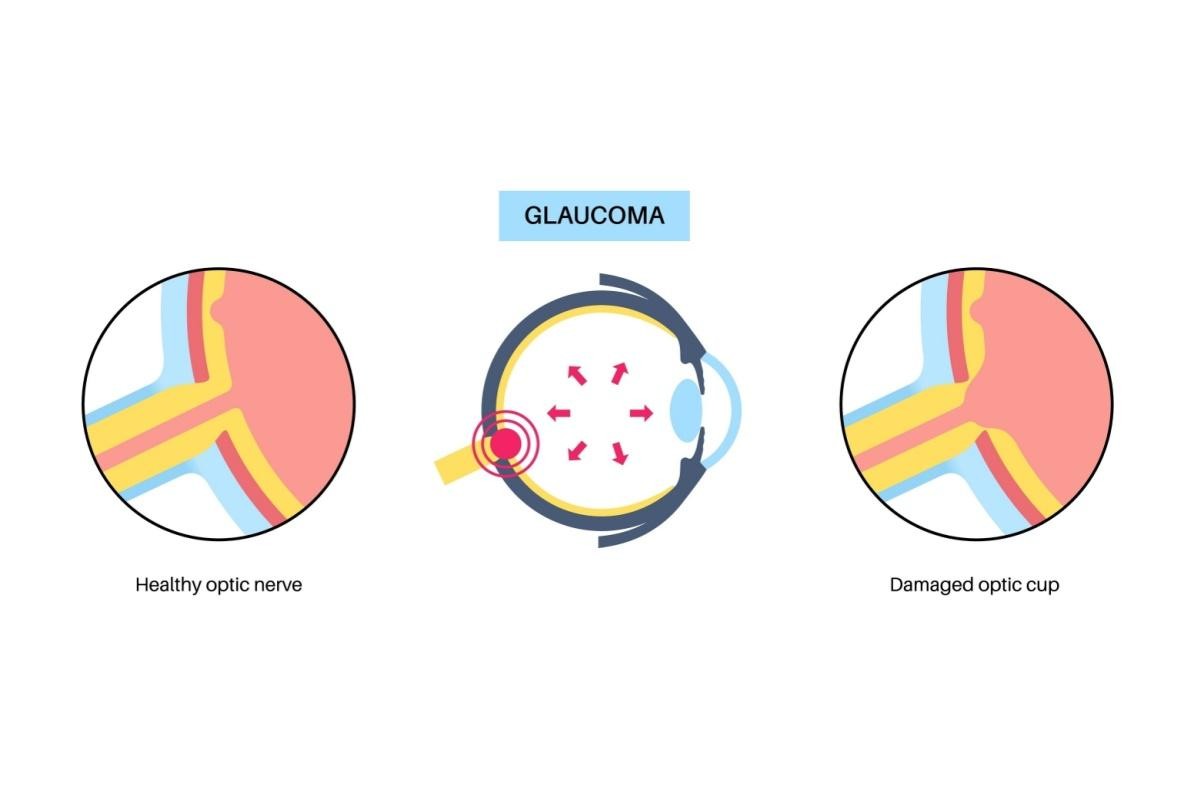
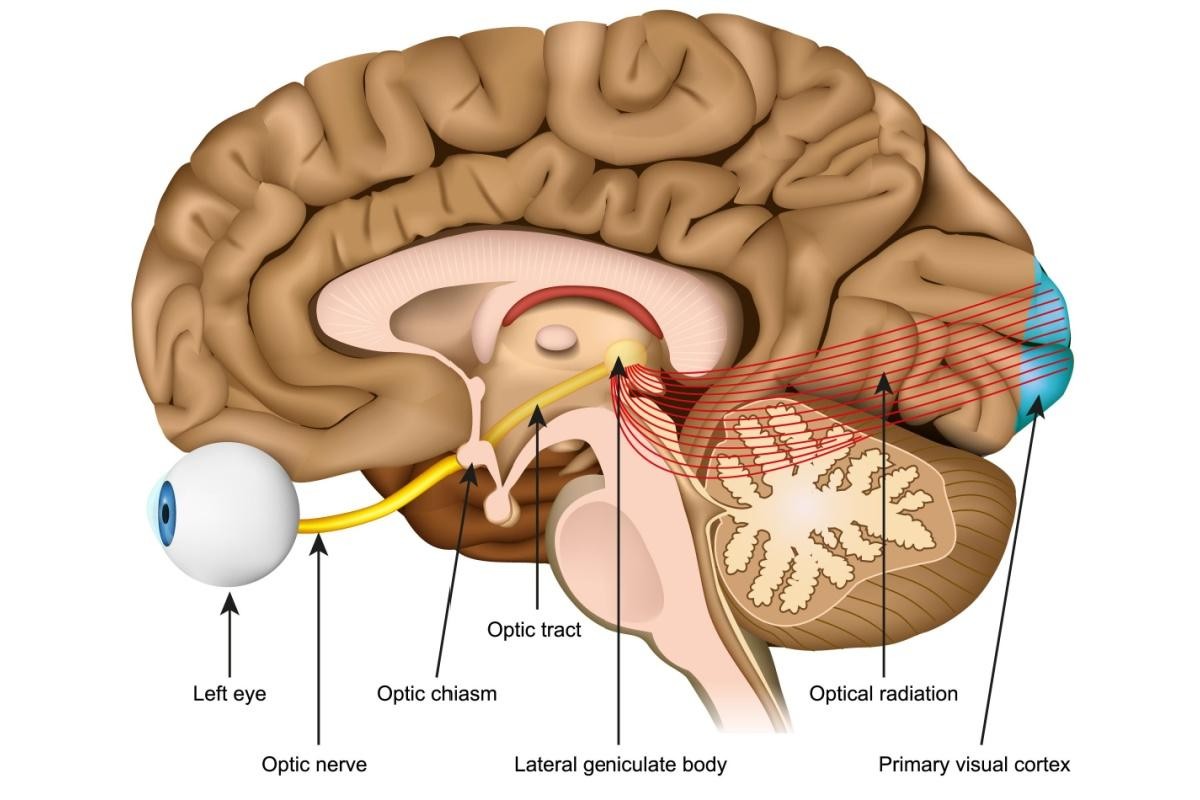
Glaucoma takes things a step further. This condition damages your optic nerve, which carries visual information from your eye to your brain. Once this damage happens, you can’t reverse it.
Glaucoma involves these key features:
- Damage to the optic nerve
- Can cause permanent vision loss
- May or may not involve high eye pressure
- Progressive condition that worsens over time
The tricky part is that glaucoma can develop even with normal eye pressure. Some people also have high pressure but never develop nerve damage. With so much uncertainty, knowing if glaucoma runs in your family matters so much in your risk assessment.
Types of Glaucoma You Should Know About
Glaucoma isn’t a single disease, and so it comes in a few different types:
- Open-angle glaucoma: the most common type that develops slowly
- Angle-closure glaucoma: a medical emergency that happens suddenly
- Normal-tension glaucoma: nerve damage despite normal eye pressure
Key Differences Between Ocular Hypertension and Glaucoma
Here is a quick summary of why ocular hypertension and glaucoma are different conditions:
Optic Nerve Health
Your optic nerve stays completely healthy with ocular hypertension. Your optometrist can see this during your dilated eye exam. With glaucoma, you’ll see changes in the optic nerve that show damage has started.
Vision Impact
Ocular hypertension doesn’t change how you see the world around you. Glaucoma starts stealing your peripheral vision first, creating blind spots you might not notice right away. Central vision usually stays clear until later stages.
Risk Levels
Eye doctors view ocular hypertension as a risk factor for glaucoma, not a disease itself. About 10% of people with high eye pressure develop glaucoma over 5 years, and glaucoma requires immediate treatment to prevent further vision loss. Glaucoma testing helps monitor your condition and uncover changes early.
Risk Factors for Ocular Hypertension and Glaucoma
Your risk climbs as you get older, especially after 40. Family history plays a big role, too; if your parents or siblings had glaucoma, your chances increase significantly.
Several health conditions can increase your chances of developing either problem, such as:
- Diabetes
- High blood pressure
- Heart disease
- Previous eye injuries
Regular diabetic eye exams help catch pressure changes before they cause damage.
Early Detection to Save Your Vision
Regular eye exams can diagnose these conditions before you lose vision. Once glaucoma steals your sight, you can’t get it back. However, early treatment can slow or stop the progression.
Pressure monitoring and optic nerve assessment give optometrists a chance to spot problems early. Professional eye examinations provide the detailed assessment needed for accurate diagnosis.
How often you should have an eye exam depends on your age and risk factors:
- Annual exams for people under 20 and over 64
- Most adults should get an eye exam every 1 to 2 years
- Consider more frequent visits if you have risk factors
Book Your Eye Exam in Surrey
A complete eye exam includes pressure checks, optic nerve evaluation, and vision field testing. Your optometrist also looks for other eye conditions and addresses any concerns you have about your vision.
West Coast Optical provides comprehensive eye care for families throughout Surrey and the surrounding areas so you can stay ahead of potential problems. If you’re concerned about your eye pressure or haven’t had an exam recently, schedule an appointment to protect your vision for years to come.