
Vision changes often happen so slowly you barely notice them at first. You might brush off a mild headache or blame tired eyes on a long day staring at a computer screen. Over time, your favourite pair of glasses just stops providing the crisp clarity you rely on.
An outdated prescription makes everyday tasks harder than they need to be. A few signs tend to show up first, and a comprehensive eye exam can spot them:
- Blurry or fuzzy sight even while wearing your glasses
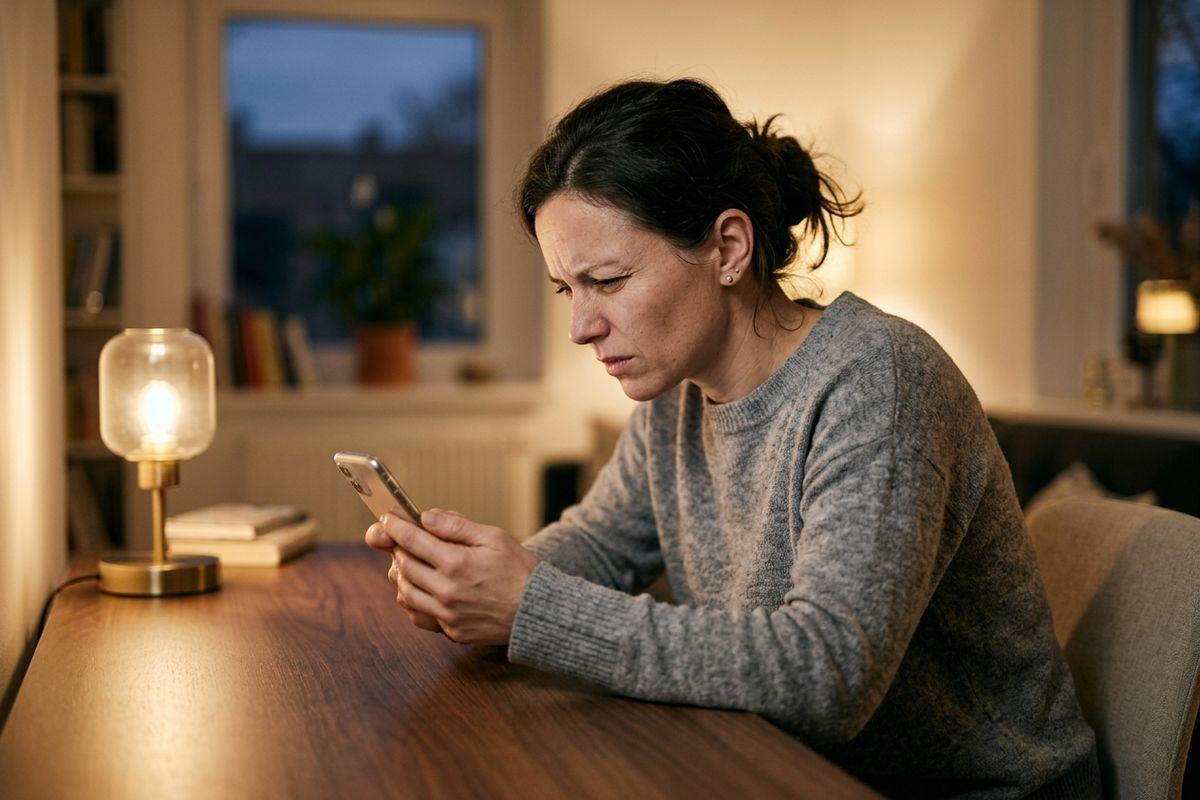
- More squinting to bring words or faces into focus
- Headaches after reading or screen time
Overall, when your glasses no longer give you a clear and comfortable sight, that’s a sign your prescription needs updating.
Subtle Signs Your Eyes Are Working Too Hard
Your eyes do a lot of quiet work each day. When your prescription falls behind, that work gets much harder. Your eye muscles end up overcompensating to bring images into focus.
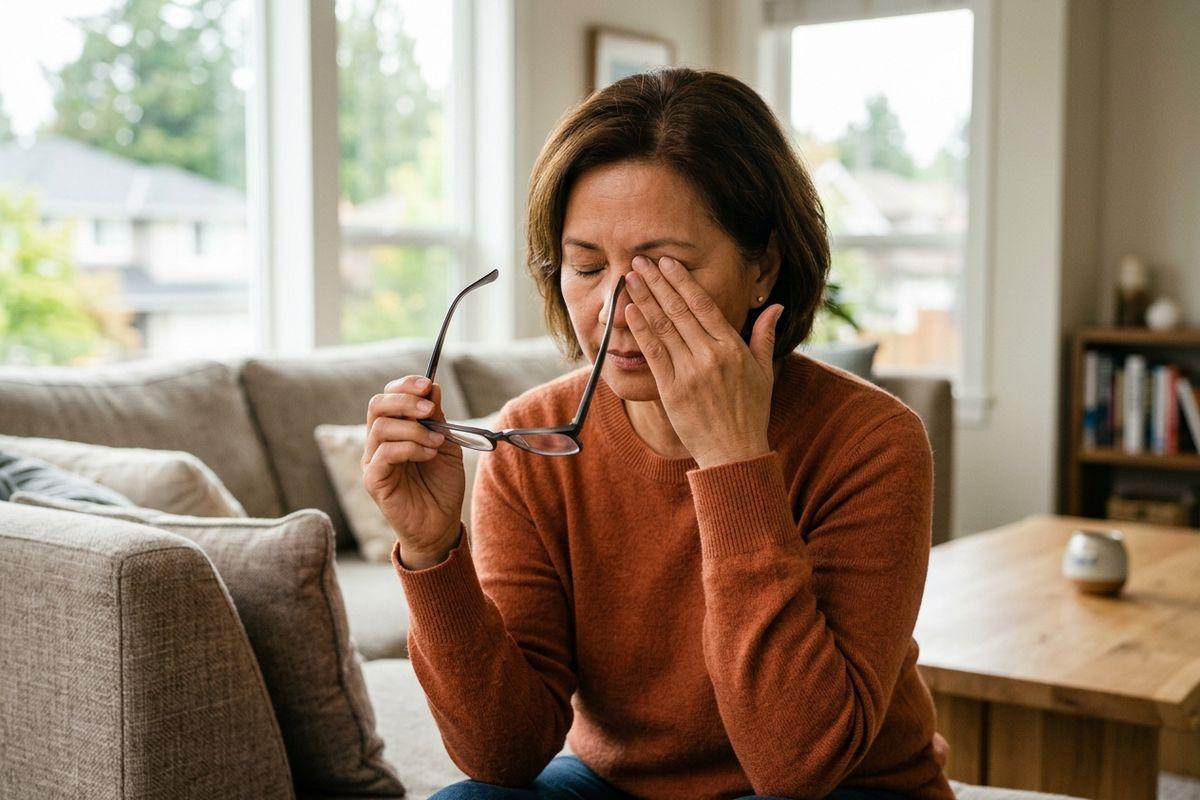
This extra effort often leads to tension headaches, especially after reading or looking at screens. Pay attention to how you feel after focusing on tasks for a few hours.
If you catch yourself squinting to sharpen blurry words or faces, book an appointment with your optometrist. Getting the right lenses can reduce this discomfort and help you focus naturally again.
Tired or Achy Eyes
Sometimes the first hint of an outdated prescription isn’t blurriness at all. It presents as a worn-out, heavy feeling behind your eyes by mid-afternoon. Your eyes might feel like they’re actively straining to lock onto words that used to come easily.
Long computer sessions definitely add to this daily fatigue. Take regular breaks to give your vision a rest throughout the workday. But if that achy or burning sensation sticks around, your lenses likely need an adjustment.
Light Sensitivity and Night Vision Trouble
Navigating the roads after dark can turn tricky when your vision correction is out of date. Oncoming headlights may spread into a harsh glare that makes it difficult to see the lane markers. You might also notice halos forming around street lamps or traffic lights.
Stepping into a brightly lit office or walking outside can also cause sudden discomfort. Your eyes work overtime to filter and process that incoming light when your correction is off. These visual distractions force you to concentrate harder just to drive or work safely.
How Distance and Age Change Your Vision
Your eyes don’t change all at once, and it often affects specific distances first. You might read a book just fine but struggle to make out a sign across the street. Or the opposite happens, and the menu in your hands turns fuzzy while far-off objects stay sharp.
Age plays a part too. Once you pass 40, the lens inside your eye becomes less flexible, so close-up focus takes more effort. That’s a normal change called presbyopia, and an updated prescription can help you read comfortably again without holding things at arm’s length.
Fine-Tuning Your Lenses for Astigmatism
Astigmatism occurs when your eye has an oval shape rather than a perfectly round one. That shape bends light unevenly, so images can look blurry or stretched, sometimes at every distance.
Even with glasses, astigmatism can make things look slightly soft if your prescription needs a slight adjustment. An exam helps an optometrist match your lenses to the exact shape of your eyes. Anti-reflective coatings can also reduce glare and help your sight feel crisper, day or night.
Sticking to a Regular Exam Schedule
Regular visits help detect changes before they slow you down. An eye exam covers much more than just reading letters off a wall chart. The optometrist checks your overall eye health and looks for early signs of common diseases.
The right timing for these visits depends heavily on your age and your general health. Keep your sight on track by following a few standard guidelines:
- Adults can book an eye exam every 1 to 2 years
- Children need an exam once a year because their eyes develop and change quite rapidly
- Diabetic patients should schedule more frequently, as their optometrist advises, to watch for changes linked to blood sugar
Refresh Your Vision and Your Frames
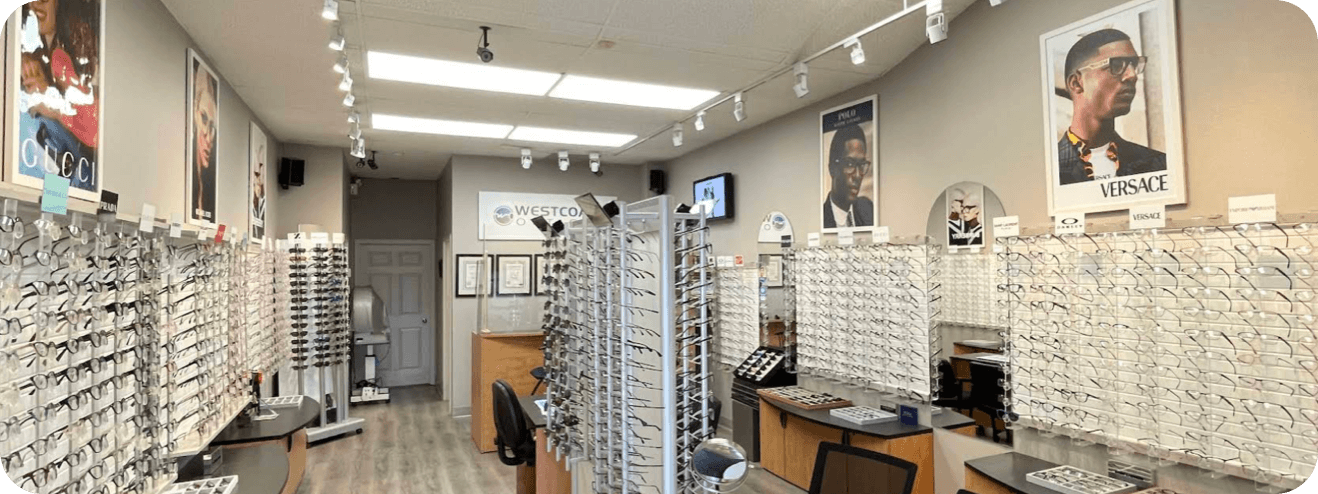
If any of these signs sound familiar, it might be time for a fresh look at your prescription. You can explore a wide variety of designer frames to match your personal style once your health check is complete. If you want to try something new, we also offer contact lens fittings to expand your daily options.
Our team at West Coast Optical can check your vision, talk through your options, and help you leave with clear sight and frames you feel good wearing. Book your exam today and see the difference an up-to-date prescription can make.