

Your vision changes quietly over the years, and it’s easy to brush those shifts off as just “getting older.” But when straight lines start looking wavy or your night driving feels hazier than usual, something more specific might be happening.
Two of the most common age-related eye conditions are macular degeneration and cataracts. While they can feel similar, they’re very different in how they affect your sight. Macular degeneration impacts your central vision by damaging the retina, while cataracts cloud the eye’s lens and make your overall vision hazy. Knowing the difference helps you get the right care sooner.
Regular comprehensive eye exams can help detect and monitor conditions like these before they quietly progress.
What Makes Macular Degeneration and Cataracts Different
Macular Degeneration at a Glance
Macular degeneration targets the centre of your retina, which is the part of your eye responsible for sharp, detailed vision. When that area breaks down, you may notice blurry or dark spots forming right in the middle of what you’re looking at.
It’s more common after age 50 and tends to affect tasks like reading, recognizing faces, or seeing fine detail up close. Because age-related macular degeneration progresses through stages, early detection makes a meaningful difference in how we manage it.
Cataracts at a Glance
Cataracts develop when the natural lens inside your eye becomes cloudy over time. Instead of a specific blind spot, everything starts to look hazy, dull, or washed out. It’s often described as looking through a foggy window.
Cataracts usually develop slowly over years, which is why many people don’t notice the change until a comprehensive eye exam uncovers it.
Signs and Symptoms Worth Paying Attention To
Macular Degeneration Warning Signs
The early signs of macular degeneration can be subtle, which makes them easy to dismiss. Pay attention if you notice any of the following:
- Straight lines that look wavy or distorted
- A blurry or dark patch in the centre of your view
- Colours that appear faded or washed out
Cataract Warning Signs
Cataracts tend to affect how light reaches your eye, which shows up in specific ways during everyday activities. Watch for these changes:
- Glare or halos around lights, especially at night
- Vision that feels foggy or film-covered
- Frequent changes needed to your glasses prescription
Risk Factors for Age-Related Vision Loss
Both conditions become more likely as you age, but age isn’t the only factor at play. Genetics, lifestyle, and overall health can all influence your risk. Common factors include:
- Age over 50 and a family history of either condition
- Long-term UV exposure without proper eye protection
- Smoking and a diet low in leafy greens or omega-3s
- Diabetes, which is closely tied to eye disease and makes regular monitoring essential
If you’re living with diabetes, your eyes need extra attention. Changes in blood sugar can affect the blood vessels in your retina, which may speed up certain types of vision loss. Diabetes raises the risk for several eye conditions, including cataracts and retinal complications, but keeping up with diabetic eye exams can help recognize those changes before they progress.
How Eye Exams Help Detect These Conditions Early
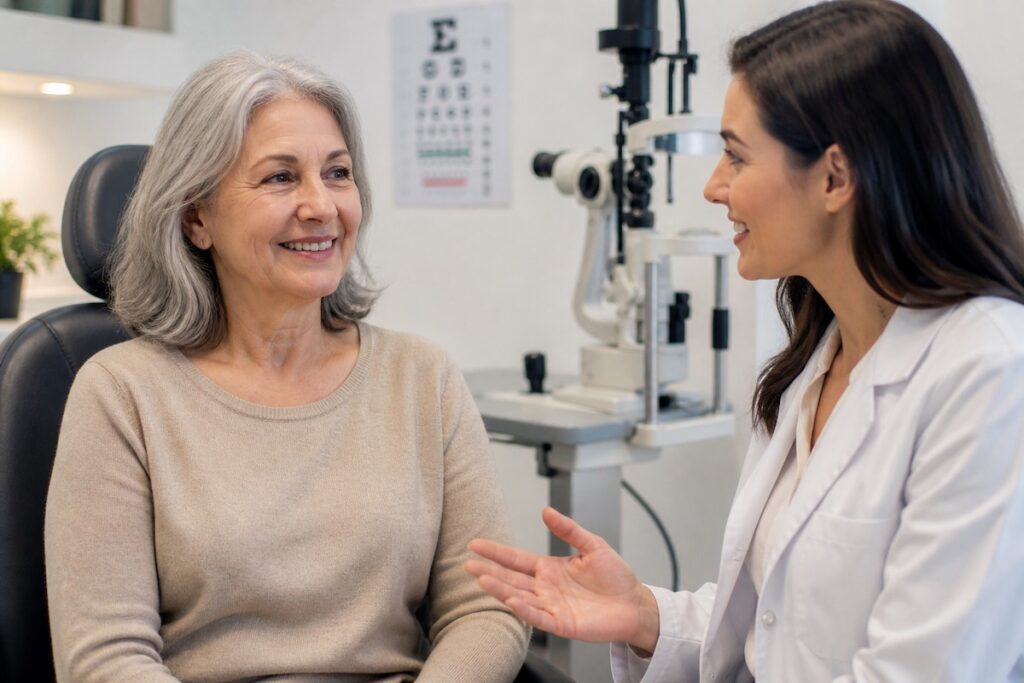
A thorough eye exam keeps your prescription up-to-date, but it also gives your optometrist a detailed look at your eye health. We use retinal imaging to detect early tissue changes in the macula and check the lens for any signs of clouding. Many people are surprised to learn their eyes showed early signs of a condition they hadn’t noticed yet.
For anyone over 50, routine eye exams become an important part of staying on top of your health. Early detection gives you more options for slowing progression and protecting the vision you have.
When to Book an Appointment
Some changes in vision are worth addressing right away, while others are best managed through regular check-ins. Use this as a guide:
- Sudden changes: Book an appointment promptly if you notice any sudden shifts in your sight.
- Adults over 50: Most benefit from annual eye exams.
- Diabetes management: Schedule a diabetic eye exam at least once a year.
Practical Steps You Can Take to Protect Your Vision
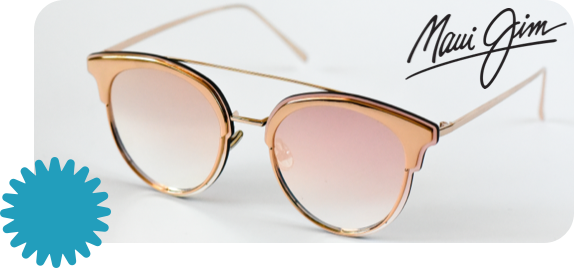
Some of the most effective ways to protect your eyes are also the simplest. UV rays contribute to both cataracts and macular degeneration over time, so wearing sunglasses with proper UV protection outdoors makes a real difference. We carry a range of sunglasses, from sporty frames to designer styles, so staying protected doesn’t mean sacrificing your personal style.
What you eat also matters. Leafy greens like kale and spinach, along with omega-3-rich foods like salmon and walnuts, support retinal health and may help reduce your risk as you age. Choosing nutrient-dense foods is a great way to support your eyes from the inside out.
Ongoing Management and Support
If you’ve already been diagnosed with one of these conditions, our goal shifts to monitoring and managing its progression. We can track changes over time and adjust your care plan as needed. Low vision aids, such as magnifiers or specialized lenses, can also help you stay independent and comfortable with your daily tasks.
Take Control of Your Eye Health
Managing your vision long-term is less about a single appointment and more about building a care routine that works for your life. At West Coast Optical, we’re here to walk alongside you through that process with a focus on quality care and genuine guidance.
Book your comprehensive eye exam today to get a clear picture of where your eye health stands and help your vision stay sharp for years to come.