
You might notice a sudden flash of light in the corner of your eye or perhaps a few new dark spots dancing across your vision. While these changes might seem minor, they could be signs that something serious is happening with your retina.
Retinal detachment is a medical emergency that requires immediate attention to prevent permanent vision loss. The early warning signs can include:
- Sudden light flashes
- A rapid increase in floaters
- A shadow in your peripheral vision.
Regular monitoring through comprehensive eye exams can help detect early changes before they become emergencies.
What Happens When Your Retina Detaches
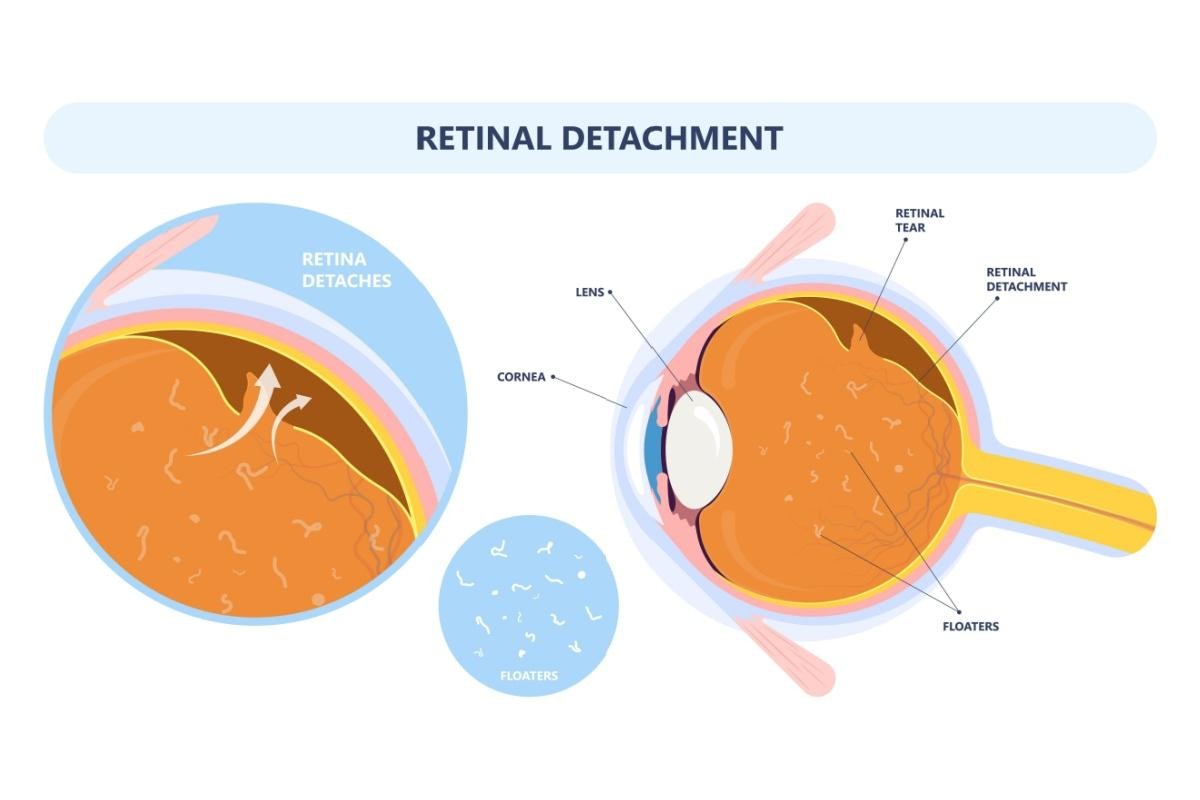
Your retina works like the film in a camera, capturing light and sending images to your brain through the optic nerve. This thin layer of tissue sits at the back of your eye, pressed against the wall of your eyeball.
When your retina detaches, it pulls away from its normal position. Once that section separates, it loses its connection to the blood vessels that provide essential oxygen and nutrients.
Without its connection to the blood vessels that feed it oxygen and nutrients, the detached portion of your retina starts to deteriorate. The longer it stays separated, the more vision you can lose in that area.
Warning Signs That Need Immediate Attention
Your eyes are actually pretty great at communicating when something is wrong. Because retinal detachment usually doesn’t cause any physical pain, it is good to be aware of and watch for these visual cues:
- Sudden flashes of light in your vision
- New floaters that appear quickly
- A shadow or curtain moving across your field of vision
- Blurred vision that gets worse
These aren’t the normal floaters that you’ve had for years. These symptoms appear fast and get worse quickly. If you see them, it’s time to call us. Don’t wait and see if they disappear.
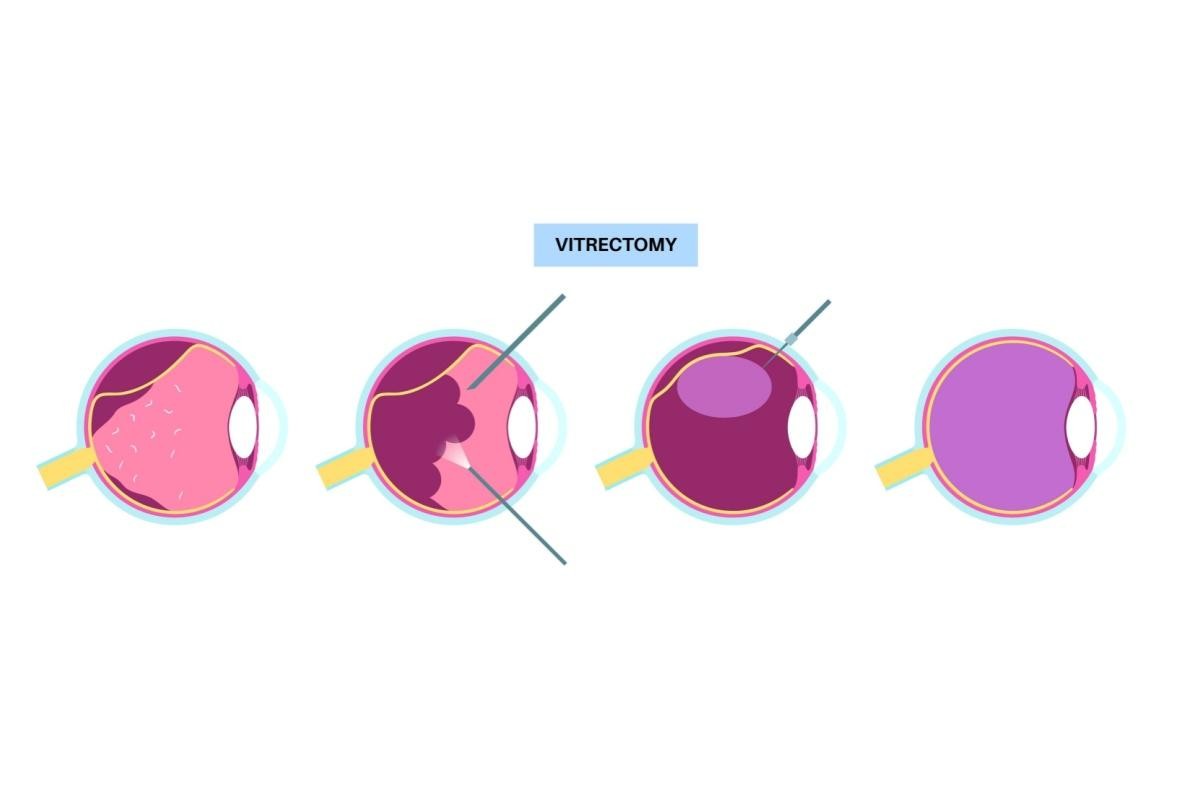
Who Faces a Higher Risk for Retinal Detachment?
While anyone can experience a retinal issue, certain factors might increase your odds:
- Age (50+): Your age plays a big role in retinal detachment risk. People over 50 face higher chances because the gel inside your eye naturally shrinks and can pull on the retina as you get older.
- Past Injuries: Previous eye injuries or surgeries can create weak spots in your retina. Even injuries from years ago can increase your risk today.
- Family History: If your parents or siblings had retinal detachment, you’re more likely to experience it. Some people inherit thinner retinas or other eye conditions that make detachment more probable.
- Diabetes: This common condition damages blood vessels throughout your body, including the tiny ones in your retina. High blood sugar levels can cause scar tissue that pulls your retina away from the eye wall. Regular diabetic eye exams can help monitor these changes and prevent diabetic eye complications from progressing.
- Hi myopia prescriptions- due to the eye being more elongated
Why Quick Action Makes All the Difference
Time determines how much vision you can keep when your retina detaches. The sooner a doctor reattaches your retina, the better your chances of recovery.
Waiting even a few days can mean permanent vision loss in the affected area. The detached portion of your retina starves without its blood supply, and those cells can’t regenerate once they die.
If you notice any warning signs, contact your eye doctor immediately. Don’t wait to see if symptoms improve on their own. They won’t. Professional eye exams are key to providing quick intervention to preserve your sight, so you want to be seen as soon as possible by an optometrist.
How Optometrists Spot Retinal Problems Early
The best way to deal with a retinal detachment is to prevent it from happening in the first place. During a comprehensive eye exam, your optometrist may dilate your pupils to get a clear view of your entire retina. This allows us to spot weak areas, tears, or early signs of detachment before you notice symptoms.
We use tools like optical coherence tomography (OCT) to create detailed 3D maps of your retinal layers. This can reveal issues hidden beneath the surface that aren’t visible during a standard check-up.
Most adults should get their eyes checked every year, but you might need more frequent exams if you have diabetes, a family history of retinal problems, or other risk factors. Staying consistent with your exams means we can uncover silent changes before they become emergencies.
Don’t Leave Your Sight to Chance
Your vision is one of your most precious senses, and protecting it starts with being proactive. Whether you’ve noticed a suspicious new floater or it’s simply been a while since your last check-up, catching potential issues early is the key to long-term eye health. At West Coast Optical, we’re dedicated to providing the personalized attention your family deserves.
Notice a sudden flash, a shower of spots, or a shadow creeping across your vision? Don’t wait until tomorrow. These symptoms require attention from a professional. Contact our team today to schedule your comprehensive eye exam and help your vision stay protected for years to come.