

Blurry vision can be frustrating, especially when it affects your daily life. People often assume their eyes are just tired or that they need a stronger prescription. Maybe street lights look streaky at night, or words on a page seem soft at the edges. That kind of blur often points to astigmatism.
Astigmatism occurs when the cornea or lens of your eye is slightly unevenly shaped, so light focuses at more than one point on the retina instead of one clear spot. Think of an eye with astigmatism as being shaped more like an oval football than a perfectly round basketball. That slight change in curve scatters light and softens what you see. A comprehensive eye exam can help pinpoint the cause behind that blur.
How Astigmatism Affects Your Vision
Astigmatism can blur your vision at all distances, both near and far. Many people have it alongside nearsightedness or farsightedness, which is why two people can describe very different vision and both have astigmatism.
For most people, this condition runs in the family. You can be born with it, and it may show up at any age. An eye injury or a past eye surgery can also change the shape of the cornea and lead to astigmatism.
A rare condition called keratoconus, where the cornea thins and bulges into a cone shape, may play a role too.
Busting Common Vision Myths
People believe a lot of things when it comes to healthy vision, and not all of them are true. Here are a few myths we want to clear up:
- Reading in low light does not give you astigmatism, even though it might tire your eyes.
- Sitting close to a screen doesn’t affect astigmatism either, though it may worsen myopia in children.
- Wearing the wrong prescription will not give you astigmatism, though it can leave you with eye strain.
Signs You Might Have Astigmatism
Astigmatism can be easy to miss because the blur creeps in slowly. Watch for a few key signals that tend to show up together:
- Blurry or distorted vision at near and far distances
- Headaches or eye discomfort after focused tasks
- Squinting to bring things into focus
If reading or driving leaves your eyes feeling strained by the end of the day, an eye exam can help sort out why.
Signs in Children
Kids rarely recognize blurry vision on their own because they assume everyone sees the way they do. The clues often show up in daily life instead:
- Trouble seeing the board at school
- Sitting very close to the television
- Rubbing the eyes
- Complaining of headaches
That is why children’s eye exams matter so much. Diagnosing astigmatism early can support clearer vision during the school years when reading and learning depend on it.

How an Eye Exam Detects Astigmatism
You don’t need to guess whether you have astigmatism. A routine eye exam can map it out in a few simple steps.
Our team starts with an eye chart to check how sharp your vision is. Then we use a phoropter, a device with rows of lenses you look through, to find the right prescription that brings letters into focus. We can also measure the curve of your cornea, which shows where the unevenness sits. This step often uses corneal topography to create a detailed map of the surface.
What Prescription Numbers Mean
Your prescription uses units called diopters to describe how much correction you need. When you look at your chart, you might notice a few specific abbreviations and numbers that tell us exactly how to correct your astigmatism:
- Sphere (SPH): This indicates the main lens power required to correct your overall vision, indicating whether you are nearsighted or farsighted.
- Cylinder (CYL): This number measures the exact amount of lens power needed to fix the uneven curve of your eye and specifically correct the astigmatism.
- Axis: This measurement falls between 1 and 180, indicating the exact angle at which we need to place the cylinder correction to give you clear sight.
Ways to Correct Astigmatism
Good news awaits at the end of an exam. Astigmatism can be corrected in several ways, and you can pick what fits your day and your style.
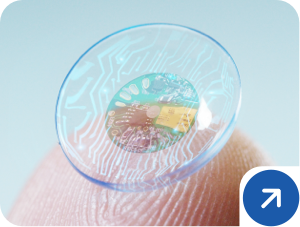
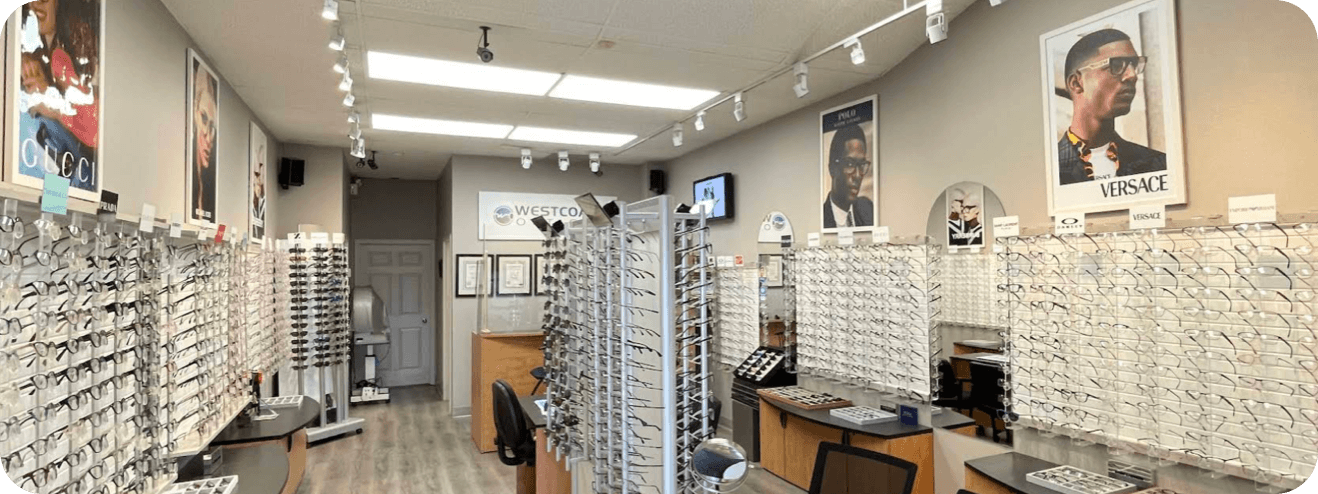
Glasses are a simple, reliable choice. You can pair corrective lenses with designer frames from brands like Ray-Ban, Oakley, Prada, and Tiffany, so clear vision comes with frames you actually want to wear. Contact lenses open up another path, including toric lenses shaped to match astigmatism. For some people, laser surgery is a popular option for reshaping the cornea and may be worth discussing with your doctor.
Keeping Up With Your Vision
Astigmatism can change over time, and so can the rest of your vision. Book routine visits and track those differences so your prescription keeps pace with your eyes. For most adults and children, a yearly checkup is a good schedule to follow.
Don’t let blurry vision hold you back from enjoying the things you love. At West Coast Optical, our team can examine your eyes, explain your results in plain language, and help you find lenses or frames that suit your lifestyle. Book your eye exam today and discover what clearer vision feels like!