
Key Takeaways
- Your vision plays an important role in movement, timing, and quick decisions during sports.
- A 20/20 result measures visual clarity, but athletes rely on many other visual skills.
- Tracking, depth perception, and peripheral vision can help you follow the action and react to what’s happening around you.
- Difficulty tracking the ball, frequent collisions, or headaches after playing can be signs of a vision concern.
- Regular eye exams and the right sports eyewear can help you see clearly and protect your eyes while you play.
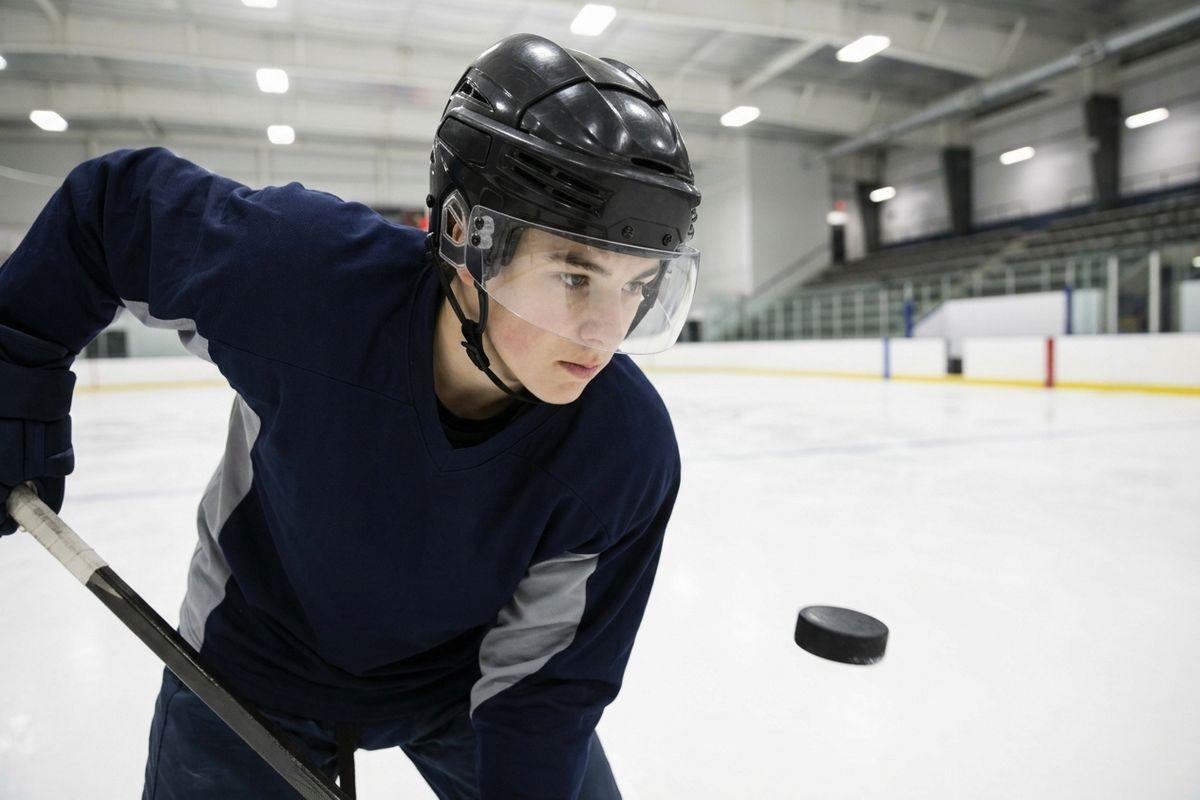
The puck slides across the ice, and in a split second, you have to judge where it’s going, position your stick, and react. Your eyes help guide every part of that moment.
At West Coast Optical, we know athletes of all ages work hard on strength, speed, and technique. But clear, comfortable vision also plays an important role in how you experience the game.
Your vision supports sports performance by helping guide your timing, movement, and split-second decisions, and seeing clearly is only one part of the picture. A comprehensive eye exam with our team can help identify vision concerns that may be getting in the way, whether you’re playing competitively or enjoying a weekend game.
How Vision Shapes Your Game
Before your body reacts, your eyes take in information about what’s happening around you. You spot a teammate breaking open, judge the speed of a pass, and decide where to move next. What you see helps guide each step, swing, catch, and shoot.
Clear vision is important, but fast-paced sports ask more of your eyes. You also need to follow moving objects, judge distances, shift your focus, and stay aware of action happening around you.
Where 20/20 Vision Fits In
A 20/20 result tells you how clearly you can see details at a specific distance. It’s an important measure of visual acuity, but it doesn’t tell the whole story when it comes to the visual demands of sports.
An athlete can have clear distance vision while still experiencing other vision concerns. That’s why regular eye exams are an important part of caring for your vision, both on and off the field.
Key Visual Skills Athletes Rely On
Sports ask your eyes and body to work together, often in a fraction of a second.
Following Motion & Timing Your Moves
Eye tracking helps you follow a moving object, whether it’s a tennis ball heading toward the baseline or a puck moving across the ice.
Visual reaction time describes how quickly you respond to something you see, such as a goalie reacting to a low shot.
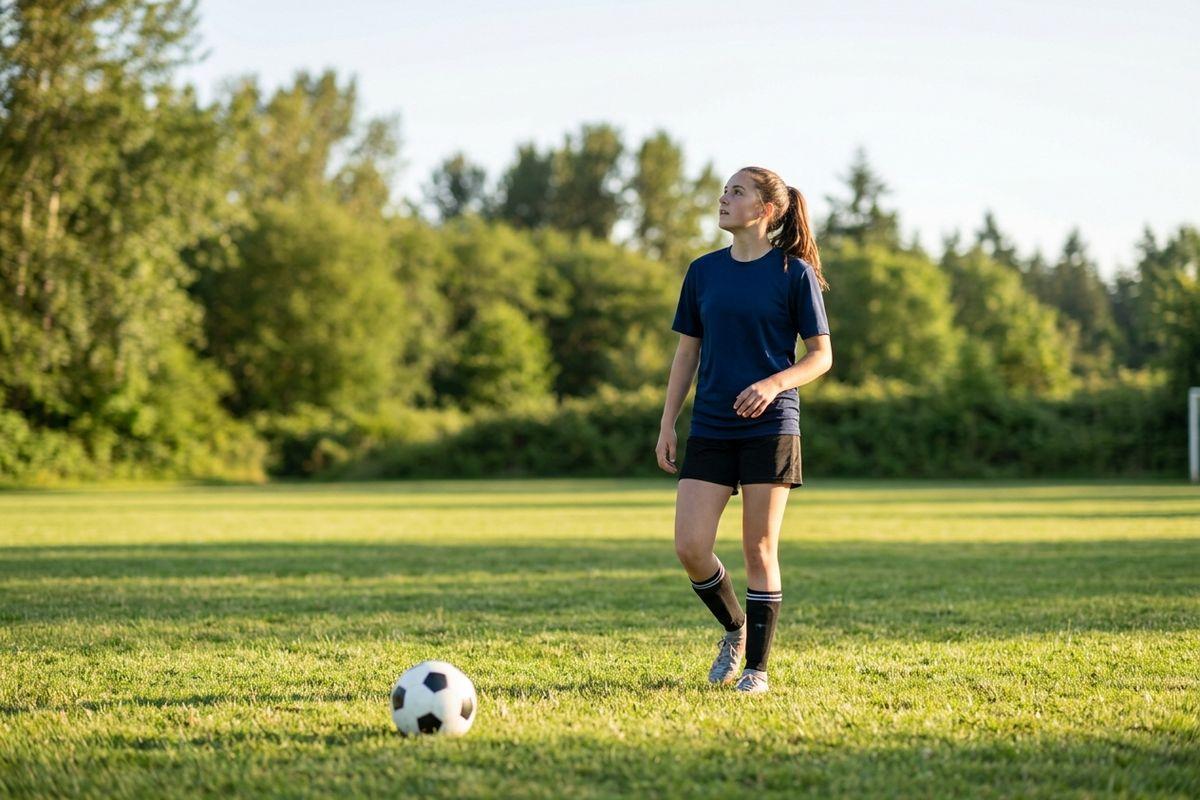
Your eyes also need to shift focus between different distances. A soccer player might look down at the ball and then quickly look up to find a teammate across the field.
Understanding Space & Movement
Depth perception helps you judge how far away an object, teammate, or target is. This can be important when catching a ball, making a pass, or judging where something is moving.
Peripheral vision helps you notice activity outside your central line of sight, such as a player approaching from the side.
Eye-hand and eye-foot coordination connect what you see with how your body responds, helping you catch a fly ball, return a serve, or strike a soccer ball.
Signs Vision May Be Affecting Your Game
Vision concerns can sometimes be easy to overlook, especially in children who may not realize they see differently from their teammates. Paying attention to what happens during and after practices or games can provide helpful clues.
Signs During Play
You or your child may:
- Have difficulty catching, hitting, or tracking fast-moving objects
- Frequently misjudge where a ball or puck is going
- Bump into teammates or opponents more often
- Have difficulty judging distances
- Seem slower to react during certain plays or drills
These signs don’t necessarily mean there’s a vision problem, but they can be worth mentioning during an eye exam.
Other Signs to Watch For
Some symptoms may become more noticeable after a game or practice, including:
- Eye strain or tired eyes
- Headaches after playing
- Blurry or double vision
- Difficulty focusing
- Frequently losing your place when following fast action
If these symptoms happen regularly, an eye exam can help determine whether your vision may be a factor.
Vision Changes After a Concussion
A concussion can sometimes be accompanied by visual symptoms, including:
- Blurry or double vision
- Light sensitivity
- Dizziness
- Difficulty focusing
- Eye strain
If you experience vision changes following a concussion, let your healthcare provider know. Persistent or worsening visual symptoms should be assessed by an appropriate healthcare professional. An eye exam may also help identify changes in how your eyes are seeing and working together.
Can You Train Your Visual Skills?
Athletes train their strength, speed, and coordination, so it’s natural to wonder whether visual skills can be trained too.
Some sports training activities focus on skills like tracking, reaction time, and eye-hand coordination. However, research into how much specific vision training improves real-world sports performance is still developing.
Practising the visual and physical demands of your sport can help you become more familiar with the speed and movement of the game. Just as importantly, making sure you can see clearly gives you a strong foundation for training and competition.
Eye Exams & Sports Eyewear in Surrey
Eye Exams for Active Families
Regular eye exams can help athletes of all ages keep their prescriptions current and identify vision or eye health concerns.
For growing athletes, children’s eye exams in Surrey are particularly important because vision can change as children grow.
When you visit us, tell your optometrist about the sports you play and any visual difficulties you’ve noticed. A goalie, cyclist, runner, and tennis player can all have different visual needs, and understanding your lifestyle helps our team provide personalized recommendations.
Gear for Clear, Protected Vision
The right eyewear can help you see clearly, stay comfortable, and protect your eyes while you’re active. Depending on your sport and vision needs, options can include:
- Sports and safety eyewear designed with durable, impact-resistant materials and a secure fit
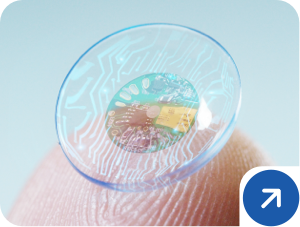
- Contact lenses for athletes who prefer to play without glasses
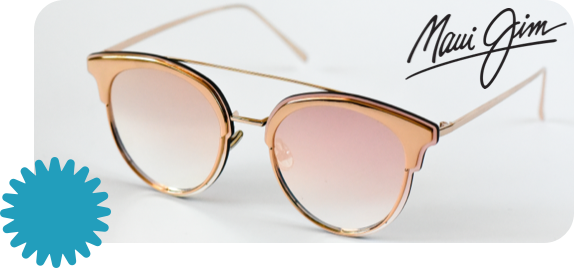
- Sunglasses with UV protection for outdoor sports and activities
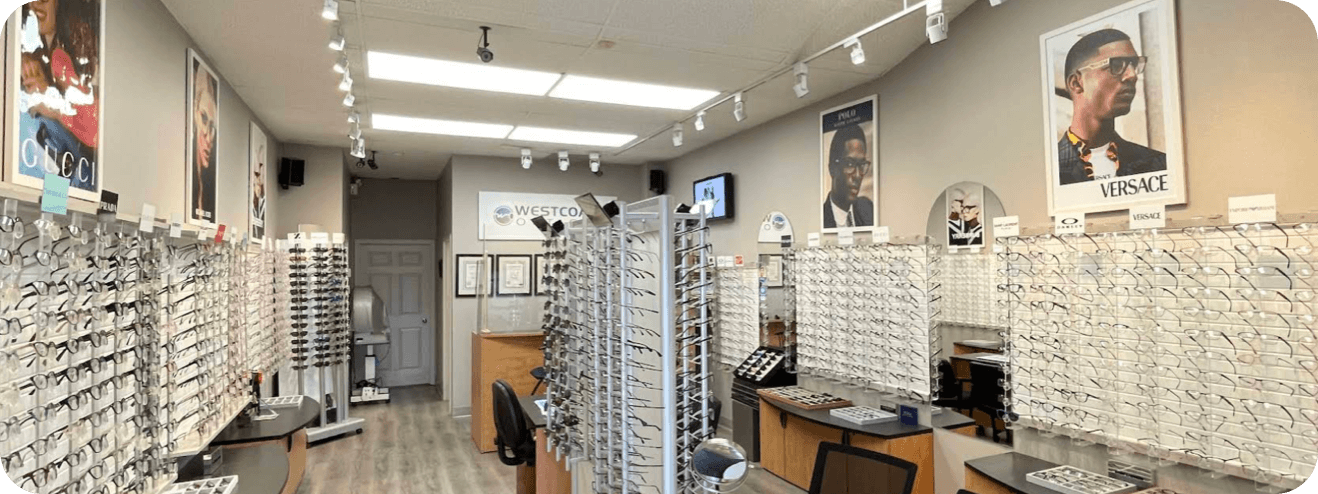
At West Coast Optical, our team can help you explore options based on your prescription, sport, comfort, and lifestyle. We also carry Nano sport glasses for those looking for eyewear that combines an active fit with a style they enjoy.
Clear Vision for Every Season
Whether you’re chasing a puck, tracking a tennis ball, running the trails, or cheering on your child from the sidelines, your vision is part of every game.
Regular eye exams can help keep your prescription up to date and give you an opportunity to talk about any changes you’ve noticed while playing. The right sports eyewear can also help keep your eyes comfortable and protected while you stay active.
At West Coast Optical, we take the time to understand your vision and lifestyle so we can help you find an option that works for you. Book an eye exam today and let us help you see clearly for whatever your next season brings.