

Key Takeaways
- Dry air, wind, and long hours of screen time can contribute to contact lens dryness.
- Wearing lenses longer than recommended, improper lens care, and sleeping in lenses can affect comfort and eye health.
- Dry eye disease, certain medications, and hormonal changes can affect your tear film and make contact lenses less comfortable.
- Fresh contact lens solution, contact lens-compatible eye drops, and regular screen breaks may help improve comfort.
- Pain, significant redness, sudden blurry vision, light sensitivity, and discharge are signs to remove your lenses and seek eye care.
You put in your contacts in the morning, and by mid-afternoon, your eyes feel gritty and tired. You blink a few extra times, reach for eye drops, and start counting down until you can take your lenses out.
If this sounds familiar, you’re not alone. At West Coast Optical, we help contact lens wearers understand what may be contributing to their discomfort and find options that work with their eyes and lifestyle.
Your contacts may feel like they’re drying out because of a combination of your environment, screen time, lens care habits, and the health of your tear film. Small changes can sometimes make a difference, while a contact lens exam and fitting can help determine whether your current lenses are still the right fit for your eyes.
Common Reasons Your Contacts Dry Out
Dry Air, Wind, & Screen Time
Your surroundings can play a big role in how your contact lenses feel throughout the day. Air conditioning in the summer and indoor heating in the winter can contribute to dry, uncomfortable eyes. Outside, wind, dust, and other environmental conditions can also make your lenses feel less comfortable.
Screen time can be another factor. When you’re focused on a computer, phone, or tablet, you may blink less frequently or less completely. Because blinking helps spread tears across the surface of your eyes, long periods in front of a screen can leave your eyes feeling dry or tired.
Everyday Lens Habits
Your contact lens routine can also affect comfort.
Wearing lenses beyond their recommended replacement schedule, topping up or reusing old solution, or using a lens case that hasn’t been properly cleaned can create problems for both comfort and eye health.
Napping or sleeping in contact lenses that aren’t approved for overnight wear can also increase the risk of irritation and other complications. Always follow the wearing and replacement schedule recommended by your optometrist.
Health Factors & Medications
Sometimes, the problem isn’t the contact lens itself.
Dry eye disease can affect the quantity or quality of your tears, making contact lens wear less comfortable. Certain medications, including some antihistamines and decongestants, may also contribute to dry eye symptoms.
Hormonal changes, some health conditions, and other individual factors may also affect your tear film. If your contact lenses suddenly feel different or dryness has become persistent, an eye exam can help determine what may be causing it.
Dry Eyes vs. Dry Contacts & the Role of Your Lenses
How Contacts Can Affect Dryness
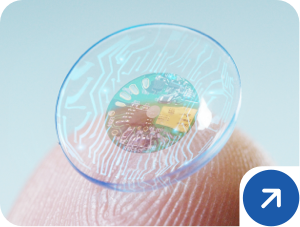
Contact lenses sit directly on the tear film covering the surface of your eye. That means the material, fit, replacement schedule, and condition of your lenses can all influence how comfortable they feel.
Deposits can also build up on reusable lenses over time. Following the recommended cleaning and replacement schedule can help keep your lenses comfortable and support healthy contact lens wear.
What Happens When a Contact Lens Dries Out?
A contact lens that has dried out may become uncomfortable, change shape, or no longer sit properly on your eye.
If a lens is damaged, dried out, or doesn’t look or feel right, don’t put it in your eye. Use a fresh lens when possible, or follow the care instructions provided for your specific type of contact lens.
If a lens becomes uncomfortable while you’re wearing it, remove it rather than trying to push through the discomfort.
Simple Tips to Keep Your Contacts Comfortable
Healthy Lens Care Habits
Good contact lens hygiene supports both comfort and eye health. A few important habits include:
- Wash and thoroughly dry your hands before touching your lenses.
- Use a fresh contact lens solution each time you clean or store reusable lenses.
- Never top up old solutions in your lens case.
- Replace your lenses according to their recommended schedule.
- Clean and replace your contact lens case as directed.
- Never use tap water to clean or store your contact lenses.
Always follow the specific care instructions provided for your lenses and solution.
Eye Drops & Your Environment
If you use eye drops while wearing contacts, choose a product specifically labelled as compatible with contact lenses or ask your optometrist which option is appropriate for you.
During the colder months, when indoor heating can make the air feel particularly dry, a humidifier may help make your environment more comfortable.
At your desk, take regular screen breaks and remember to blink fully and frequently. Giving your eyes regular opportunities to look away from the screen can also help reduce digital eye strain.

Give Your Eyes a Break
Sometimes, your eyes simply need some time without contact lenses.
Switching to glasses for part of the day can be helpful if your contacts become uncomfortable. It’s also a good reason to keep an up-to-date pair of glasses on hand for the days when your eyes aren’t feeling their best.
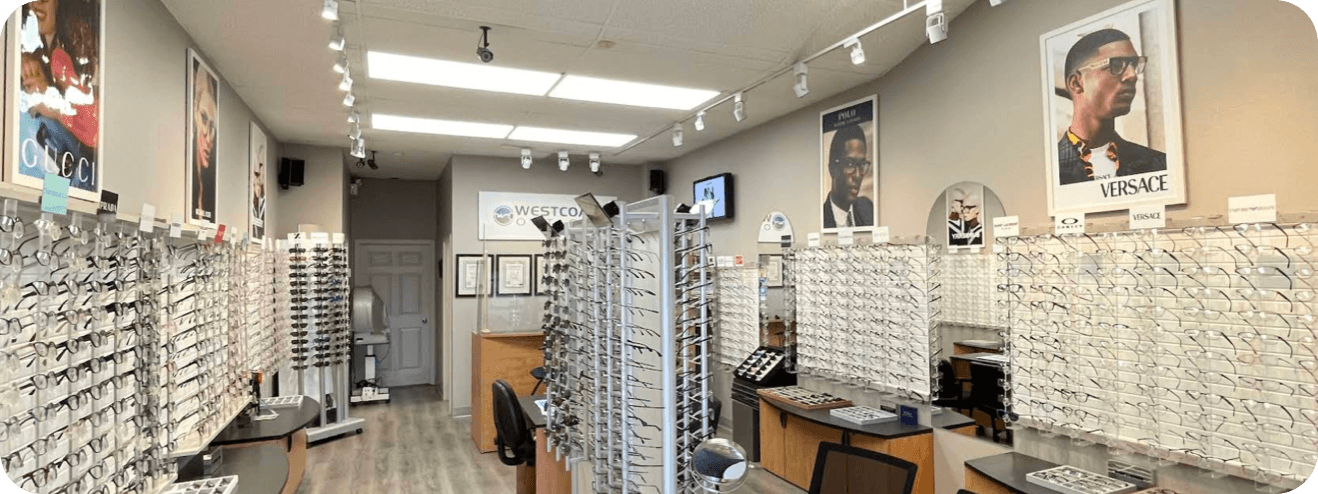
If you’re ready for a new look, you can explore our selection of designer frames to find a pair that fits your prescription and personal style.
Contact Lens Options for Dry Eyes
Different Lenses Can Feel Different
Contact lenses aren’t one-size-fits-all. Different types of contact lenses use different materials, designs, and replacement schedules, and what feels comfortable for one person may not work as well for another.
Daily disposable lenses give you a fresh pair each day and eliminate the need for nightly cleaning and storage. Other lens materials and designs may also be appropriate depending on your prescription, tear film, eye health, and lifestyle.
For people with more complex prescriptions or certain eye conditions, specialty contact lenses may also be considered.
The best way to determine which option suits your eyes is through a proper contact lens exam and fitting.
Your Contact Lens Solution Matters Too
If you wear reusable lenses, your cleaning and disinfecting solution is another part of the equation.
Different solutions contain different ingredients, and not every product works equally well for every person or every type of lens. If you regularly experience irritation or discomfort, talk to your optometrist before switching products.
Your eye care team can recommend a cleaning system that is compatible with your lenses and show you how to use it correctly.
When to Remove Your Contacts & Seek Eye Care
Signs to Take Your Lenses Out
Contact lens discomfort shouldn’t be something you simply push through.
Remove your lenses if you experience:
- Eye pain
- Significant or worsening redness
- Sudden or persistent blurry vision
- Unusual sensitivity to light
- Eye discharge
- Significant or persistent discomfort
If symptoms are severe, develop suddenly, or continue after you remove your contacts, seek prompt eye care. Contact lens wear can sometimes be associated with infections or other eye problems that require timely assessment.
How Our Team Can Help
A comprehensive eye exam gives our optometrist an opportunity to assess your vision, eye health, and any symptoms you’ve been experiencing.
A contact lens exam can also help us look at how your lenses fit and discuss your wearing habits, daily routine, and comfort. From there, we can recommend contact lenses or care products that may be better suited to your needs.
If dryness continues to be a concern, regular eye care can also help monitor your symptoms and identify changes in your eye health over time.
Book a Contact Lens Visit at West Coast Optical
Contact lenses should fit comfortably into your day, not leave you counting down the hours until you can take them out.
If your contacts regularly feel dry, gritty, or uncomfortable, our team at West Coast Optical can assess your eyes, review your current lenses, and talk through your daily routine to help determine what may be causing the problem.
Book an appointment today to explore contact lens options that better suit your eyes and lifestyle.