

Key Takeaways
- A lazy eye, also called amblyopia, happens when one eye sees less clearly and the brain starts to favour the stronger eye.
- Amblyopia develops in early childhood, often before age 7.
- Watch for a wandering eye, squinting, head tilting, or trouble judging distance.
- Children’s eye exams in Surrey can help catch the condition, often between ages 3 and 5.
- Glasses, contact lens fittings, patches, or drops can help strengthen the weaker eye over time.
What a Lazy Eye Means for Your Child’s Vision
Maybe you notice your child sitting too close to the TV, or maybe you find them rubbing one eye more than the other. Small habits like these can point to a condition called lazy eye or amblyopia.
Lazy eye, known medically as amblyopia, refers to a condition where the brain starts to rely on a person’s stronger eye while tuning out the weaker one. Amblyopia usually starts in early childhood, while vision is still forming.
The earlier amblyopia is caught, the more time the weaker eye has to catch up. That’s why our team at West Coast Optical recommends regular children’s eye exams to catch and treat potential problems.
What Leads to Amblyopia
Amblyopia arises when a person’s eyes don’t work together properly. In many cases, this is because one eye is stronger than the other and sends a clearer signal to the brain. Over time, the brain starts to rely on the stronger eye while increasingly ignoring the weaker one.
In other cases, a cloudy lens or a droopy eyelid may block clear vision in one eye, causing similar issues.
Signs of Amblyopia
You spend more time with your child than anyone, so you’re often the first to spot something off. Keep an eye out for the following:
- Your child often bumps into things
- They squint a lot or often shut one eye
- They frequently tilt their head
- They have crossed eyes or a droopy eyelid
- One of your child’s eyes sometimes looks off-centre
If your child shows a pattern of these kinds of behaviors, it may be worth booking an eye exam.

How Amblyopia Gets Diagnosed
Lazy eyes aren’t always obvious, so it’s hard to confirm at home. If you want to know for sure, we recommend a children’s eye exam. Our team will test their vision and check how their eyes move and focus together. If we find that something’s wrong, we’ll let you know and recommend a path forward.
If you’ve noticed symptoms in your child, or if you have a family history of eye-related issues, regular eye exams can help us keep up with changes and protect your child’s vision.
Treatment Options That Help Strengthen the Weaker Eye
Treatment works by strengthening the weaker eye so that the brain stops ignoring it. Common options include:
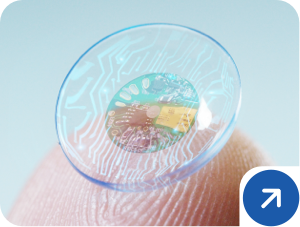
- Glasses or contact lens fittings to even out the focus between both eyes.
- A patch or blurring drops over the stronger eye, which gives the weaker one a turn to lead.
- Surgery in cases where an underlying issue, like an eye muscle problem, needs correcting.
Many children respond well to treatment. Steady follow-up helps our team adjust treatment as your child’s vision improves. Some children also benefit from vision therapy, a guided program that retrains how the eyes and brain work together.
Tips to Help with Patch Wear
Patches are a common treatment, but children often don’t want to wear them. Decorated patches and small rewards can turn treatment into something that your child looks forward to. Gentle encouragement goes a long way, and keeping follow-up appointments helps your child maintain their progress.
Book Your Child’s Eye Exam in Surrey
A lazy eye is easier to manage when it’s found early. Our team at West Coast Optical offers children’s eye exams in Surrey with a warm, family-friendly approach. Reach out today to book a visit and give your child’s vision the attention it deserves.