


Key Takeaways
- Dry eye can happen when your eyes make too few tears or tears of poor quality.
- Cold wind outdoors and dry heat indoors can make symptoms flare up in winter.
- A humidifier, artificial tears, and wrap-around sunglasses can help you feel more comfortable.
- Contact lens wearers can ask about rewetting drops or daily lenses.
- Book an eye exam if home tips don’t bring relief or your symptoms stay all year.
Your eyes might feel fine in July, then sting and burn once frosty October mornings arrive in Surrey. Many families notice this shift every fall, and our team at West Coast Optical hears about it often once the furnace kicks on.
Winter dry eye can flare up when cold air, wind, and indoor heat leave your eyes short on moisture, and a mix of simple home habits and care from a family optometrist in Surrey can help you find relief.
What Is Dry Eye?
Dry eye happens when your eyes don’t make enough tears, or the tears they make aren’t good quality. By midafternoon, your eyes can feel gritty and tired.
Some people deal with dry eye all year, while others only notice it once the weather turns cold. Either way, winter can make symptoms flare up.
Why Does Dry Eye Get Worse in Winter?
Cold Air and Wind Outdoors
Picture a walk along the White Rock pier on a January morning. Cold, dry air holds less moisture, and the wind off the water blows straight onto your eyes. By the time you get home, your eyes may sting and water.
Indoor Heat at Home and in the Car
Stepping inside brings its own challenge. Your furnace or space heater dries out the air in your home. In the car, the vents blow warm, dry air right at your face during your drive down King George Boulevard.
Other Factors to Know
Aging, certain medications, and some health conditions can play a role in dry eye. Long hours on screens add up too, since you blink less while staring at a laptop or phone. Smoking and past vision correction surgery can also be linked to dry eye.
Signs and Symptoms of Winter Dry Eye
Winter dry eye can show up in a few different ways, so watch for these signs:
- Your eyes burn, sting, itch, or feel scratchy.
- Your eyes look red.
- It feels like something is stuck in your eye.
- Your vision turns blurry at times.
- Your eyes water more than usual, which can be your body’s response to the dryness.
Home Tips for Winter Dry Eye Relief
Simple Fixes Around Your Home
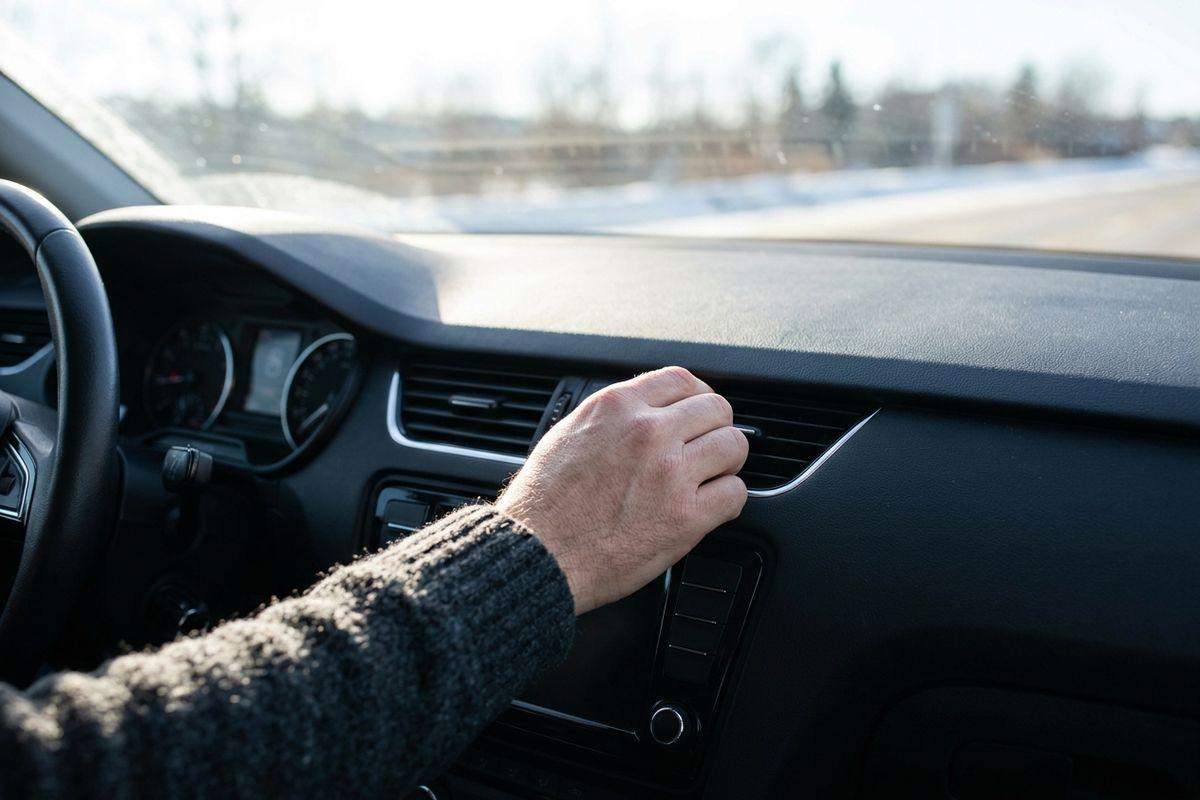
A few small changes can help your home feel less like a desert. Run a humidifier in your bedroom or living room to add moisture to the air. Point heaters and car vents toward your feet instead of your face, and keep a water bottle nearby and sip through the day.
Daily Eye Care Habits
Artificial tears used a few times a day can help your eyes feel refreshed. A warm compress over closed eyes can feel soothing after a long day. Try to keep your hands away from your eyes, even when they itch.
During screen time, try the 20/20/20 rule. Every 20 minutes, look at something 20 feet away for 20 seconds.
Outdoor Protection
Wrap-around sunglasses help block wind from the sides, and a wide-brim hat adds extra cover. Sunglasses with UV protection are also handy on bright winter days. If style matters to you, our optical team can show you designer frames and sunglasses from brands like Ray-Ban and Oakley.
If you ski or snowboard on the local mountains, well-fitted goggles can keep cold wind off your eyes. Our team can help you choose sports safety eyewear for your favourite winter activities.
Dry Eye Treatment and When to See an Optometrist
Tips for Contact Lens Wearers
Contacts can feel scratchy when winter air dries your eyes. Rewetting drops made for your lens type can help them feel more comfortable. You can also ask about daily lenses at your next appointment for contact lens fittings in Surrey.
On extra dry days, give your eyes a break and switch to glasses.
Treatment Options from Your Eye Doctor
Your optometrist can suggest a plan based on what your eyes need. Options may include over-the-counter or prescription eye drops and in-office dry eye treatments. Eating omega-3 foods like salmon and practising gentle eyelid hygiene can support your daily routine too.
When to Book an Eye Exam
Book a visit if you notice any of these signs:
- Home tips don’t bring relief.
- Your symptoms stick around all year.
- Your symptoms persist, worsen, or new ones appear.
Eye exams in Surrey, BC, also give the optometrist a chance to rule out other concerns with similar symptoms.
Schedule Your Visit Today
Cozy winter days feel even better when your eyes are comfortable. Our team at West Coast Optical offers care for every age, including children’s eye exams, diabetic eye exams, and contact lens fittings in Surrey. Book an appointment today and enjoy a more comfortable winter.