
Key Takeaways
- An eye exam checks the health of your eyes, not just your prescription.
- Many eye conditions, like glaucoma, start with no clear symptoms.
- The eye doctor can look for glaucoma, cataracts, retinal concerns, dry eye disease, and refractive errors.
- Your eyes can also show signs of diabetes, high blood pressure, high cholesterol, and some autoimmune and nerve conditions.
- How often you need an exam depends on your age and risk factors.
You might book an eye exam because street signs look fuzzy on your drive home or the menu at your favourite café seems smaller than it used to. At West Coast Optical, our team sees each eye exam as a chance to look at much more than how well you read a letter chart.
An eye exam can detect eye diseases like glaucoma, cataracts, age-related macular degeneration (AMD), and retinal tears, along with signs of body-wide conditions like diabetes, high blood pressure, and multiple sclerosis.
What Can an Eye Exam Show About Your Health?
A comprehensive eye exam checks your eye health, not just your prescription.
Many conditions start with no clear symptoms. You can see well, feel fine, and still have early changes the eye doctor can spot. Regular eye exams in Surrey, BC, can help you catch these changes early, when you and your eye doctor can start tracking them.
What Happens During an Eye Exam?
A Talk About Your History and Lifestyle
Your visit starts with a conversation. The optometrist asks about your family history, your work, and your habits at home, like how many hours you spend on screens each day.
This is also your time to share any changes or concerns. Small details count, like more glare from headlights at night or squinting at your phone.
Tests the Eye Doctor May Use
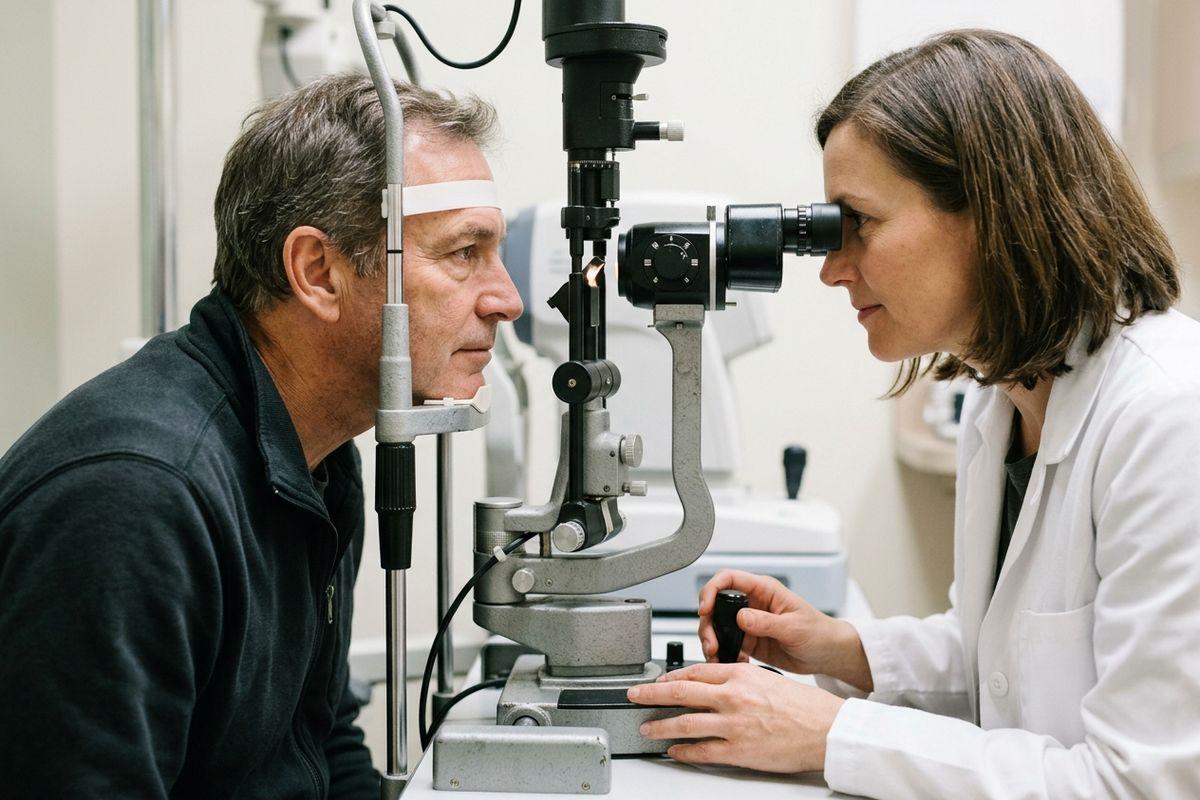
Your exam may include a few quick tests:
- A visual acuity check measures how clearly you see letters on a chart.
- A refraction check helps the eye doctor find your glasses prescription.
- An eye pressure check helps the eye doctor look for signs of glaucoma.
- A close look at the back of your eye shows your retina, optic nerve, and blood vessels.
Eye Conditions an Eye Exam Can Find
Glaucoma and Cataracts
Glaucoma often shows no early symptoms, so you might feel fine while it develops. Early detection matters, since there are often more treatment options in the early stages of a disease.
Cataracts form when the clear lens in your eye becomes cloudy over time. It can feel like looking through a foggy window, and your eye doctor can track changes over time and recommend whether surgery is an option for you.
Retina Concerns and Macular Degeneration
The eye doctor checks your retina for retinal tears and retinal detachment. The exam can also show signs of age-related macular degeneration (AMD). If the eye doctor finds a concern like AMD, ongoing eye disease management in Surrey lets you and the eye doctor follow changes from one visit to the next.
Dry Eye Disease and Refractive Errors
Dry eye disease can show up in ways you feel every day:
- Your eyes feel scratchy.
- Your eyes burn or sting.
- Your eyes feel gritty, like sand is caught under your lids.
The exam also finds refractive errors. These include nearsightedness, farsightedness, astigmatism, and presbyopia, which makes reading up close harder with age. If you prefer contacts over glasses, contact lens fittings in Surrey can match lenses to your prescription.

Overall Health Concerns
Diabetes, Blood Pressure, and Cholesterol
Your retina, which is the light-sensitive tissue at the back of your eye, has many tiny blood vessels in it. Changes in these vessels can be associated with diabetes, high blood pressure, and high cholesterol. Diabetic eye exams in Surrey give people with diabetes a regular check on these changes.
Autoimmune and Nerve Conditions
Your eye doctor may be able to detect signs associated with autoimmune conditions, such as multiple sclerosis or arthritis. These findings may lead to a referral, so your family doctor or another health professional can then do more testing.
How Often Should You Get an Eye Exam?
Children and Teens
Your child’s first eye exam can happen between 6 and 9 months of age, with at least one more between ages 2 and 5. From ages 6 to 19, children are generally recommended to have a yearly exam to detect changes early.
Adults and Adults 65+
Generally healthy adults are recommended to have an eye exam every 2 to 3 years, but your eye doctor can recommend a more specific schedule based on your needs. If you have a family history of eye disease, or an ongoing health concern like diabetes or high blood pressure, your eye doctor may recommend coming in more often.
Adults over 65 are generally recommended to have an eye exam annually as their risk for eye disease is higher.
Book Your Next Eye Exam in Surrey
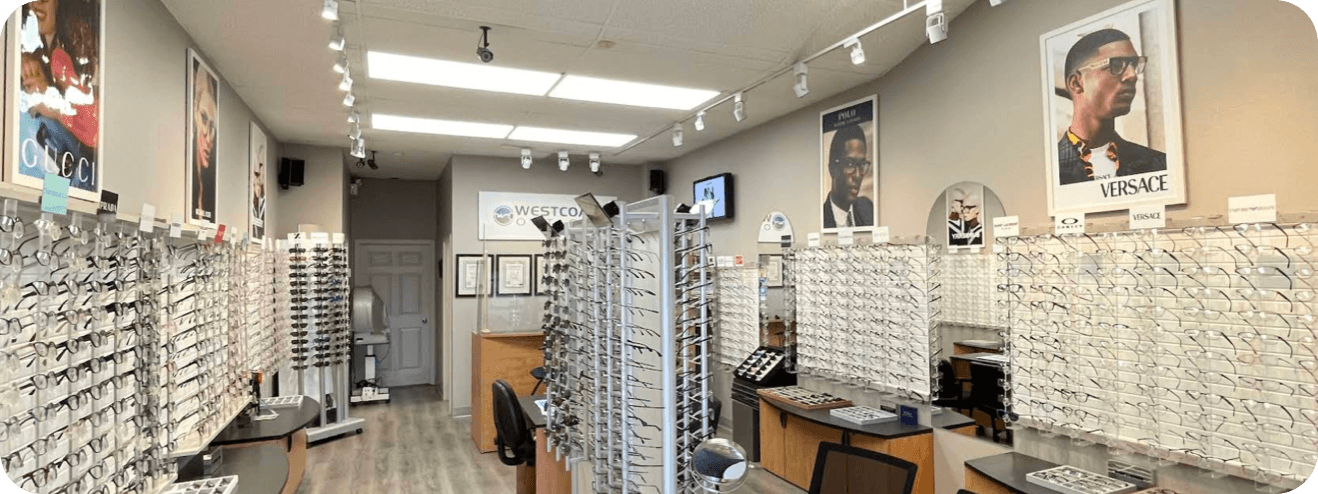
A regular eye exam gives you a clear picture of your eye health and can point to concerns elsewhere in your body. As a family optometrist in Surrey, West Coast Optical cares for children, teens, and adults at every stage. While you visit, our optical team can help you browse designer frames, sunglasses with UV protection, and sports safety eyewear. Book your family’s next eye exam today.